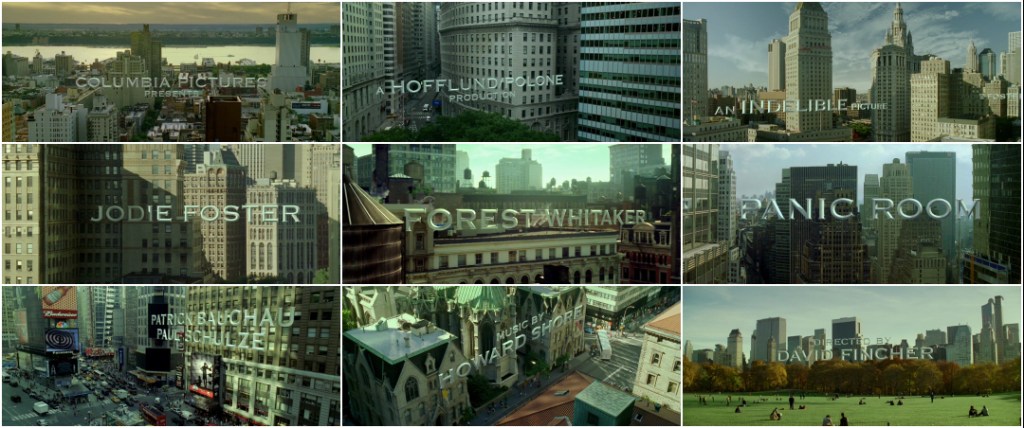
Opening Credits Order:
Opening credits are a useful unique part of movies. Telling the audience who is in the movie, as well as other known talent such as writers, directors and composers, sets the mood and scenes for what’s to come. Each movie is its own unique project then each film marker may have their own ideal organisational structure. The opening credits progress through a list of the most essential contributors to the film, starting from the least crucial, ending with the most crucial.
Additionally, on a movies budget top sheet there is two divided categories Above the line and below the line. Above the line are the people that get funded a set rate as well as a percentage of gross no matter how many shooting days or scenes that are required for the project, the people who function above the line are the producer, the director, the writers as well as actors along with actresses. Nevertheless everyone else’s role is below the line are contracted out depending on the wants and needs of production I.e. if the script needs adjusting, the necessary structure of opening credits in a film. Firstly, the order of the credit starts with the major film studio companies that are involved to give respect and gratitude for the help and support in making the film.
Also a more complete opening film credits order.
This resembles the most usual movie opening credits order:
- PRODUCTION COMPANY presents (distributor)
- A PRODUCTION COMPANY production (producer)
- A FILMMAKER film
- Film Title
- Lead Cast
- Supporting Cast
- Casting Director
- Music Composer
- Costume Designer
- Associate Producers
- Editors
- Production Designer
- Director of Photography
- Executive Producer
- Producer
- Writers
- Director
These leads and actors/actresses are considered above the line
Below the line includes background actors who are non-speaking extras, uncredited. Whereas day performers are special skill, stunt or dialogue the sag afra (Screen Actors Guild Of America) rules explain that if the whole production is under fifty performers then all performers must be credited unless they’re more than fifty then it’s up to the producer which fifty will get on-screen credit.
it is important to acknowledge them in another unique way. Therefore, the introduction of the closing credits was made as an avenue to acknowledge the members of the crew it took to create the movie. Closing credits have a different common order for above-the-line films as shown below:
- Director
- Writers
- Producer
- Executive Producer
- Lead Cast
- Supporting Cast
- Director of Photography
- Production Designer
- Editor
- Associate Producers
- Costume Designer
- Music Composer
- Casting Director

 Media Studies As Project